
About Maroons FC
About Us

Our Vision
Our Vision is to be the best club in Uganda

Our Mission
To Be the Best Football Cub in Uganda While Promoting a good sports culture and developing talent

Our Goal
The Main Goal of Maroons FC is to contribute to the development of Football in Uganda by developing and Promoting football Talent that conquers the world
Our History
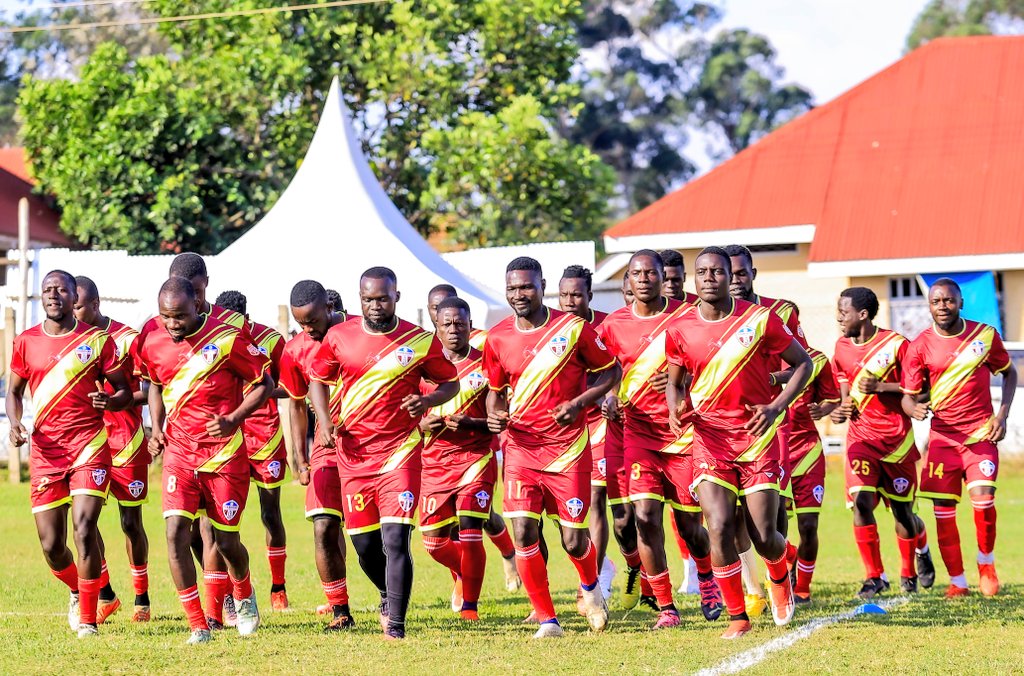
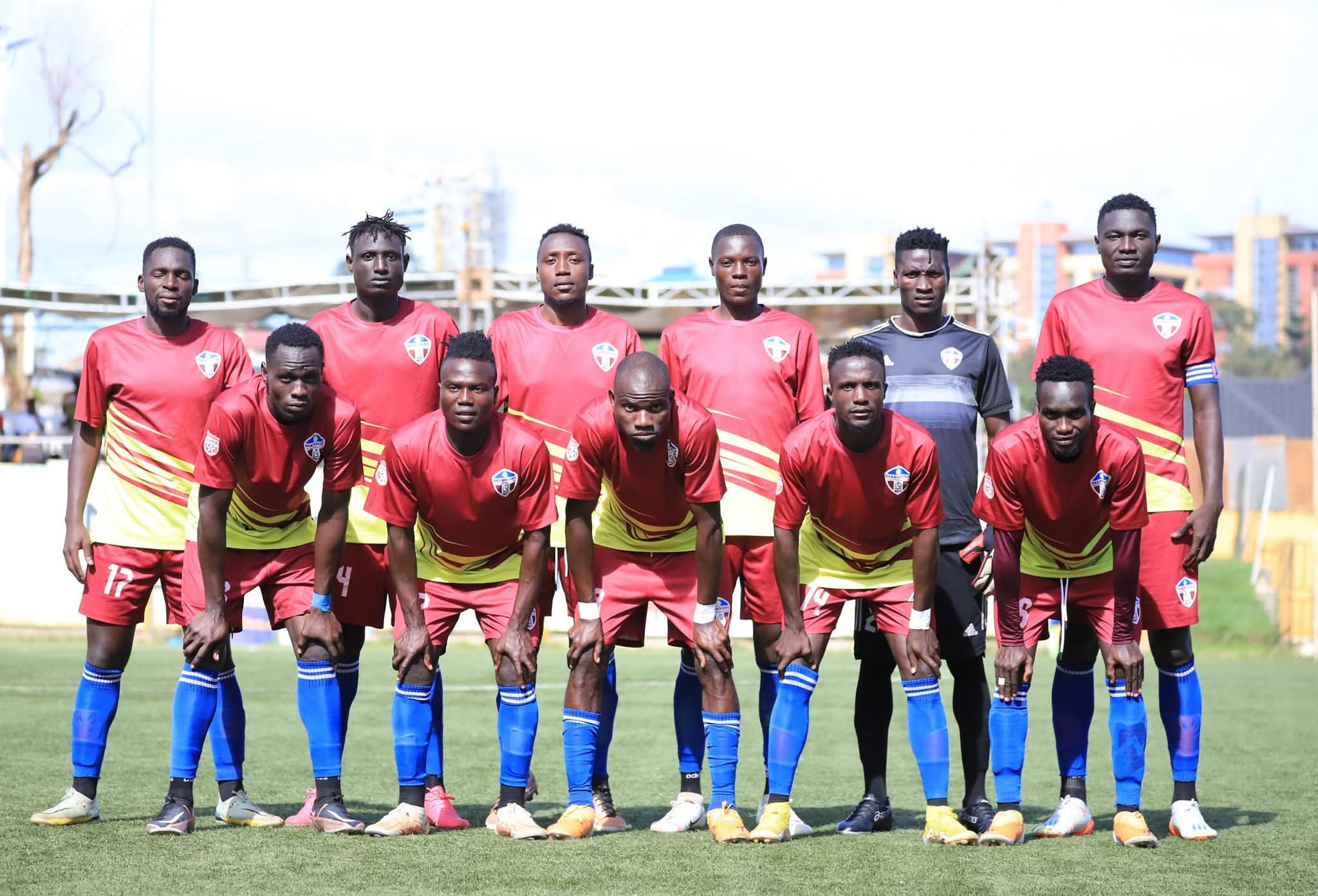
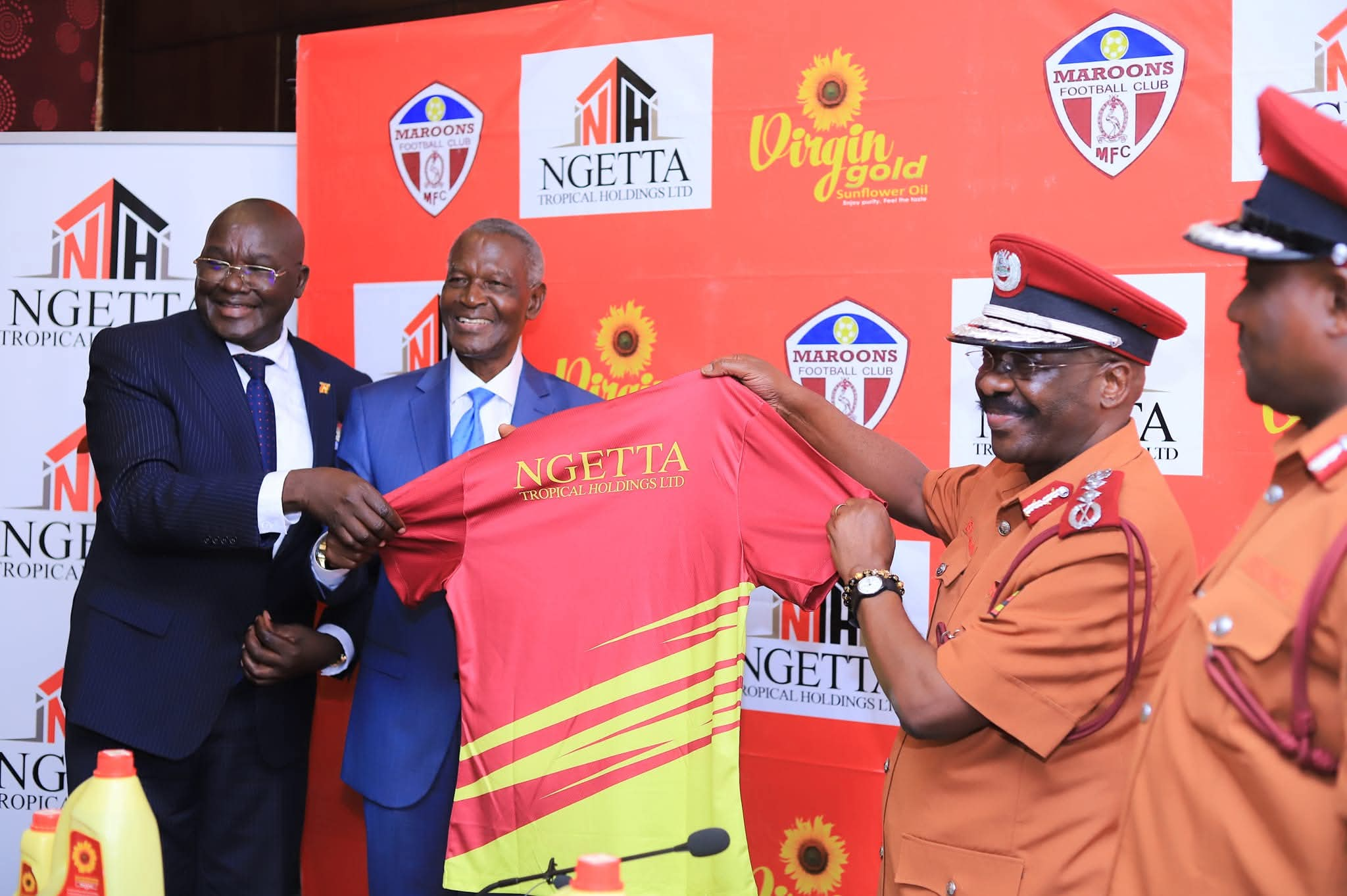
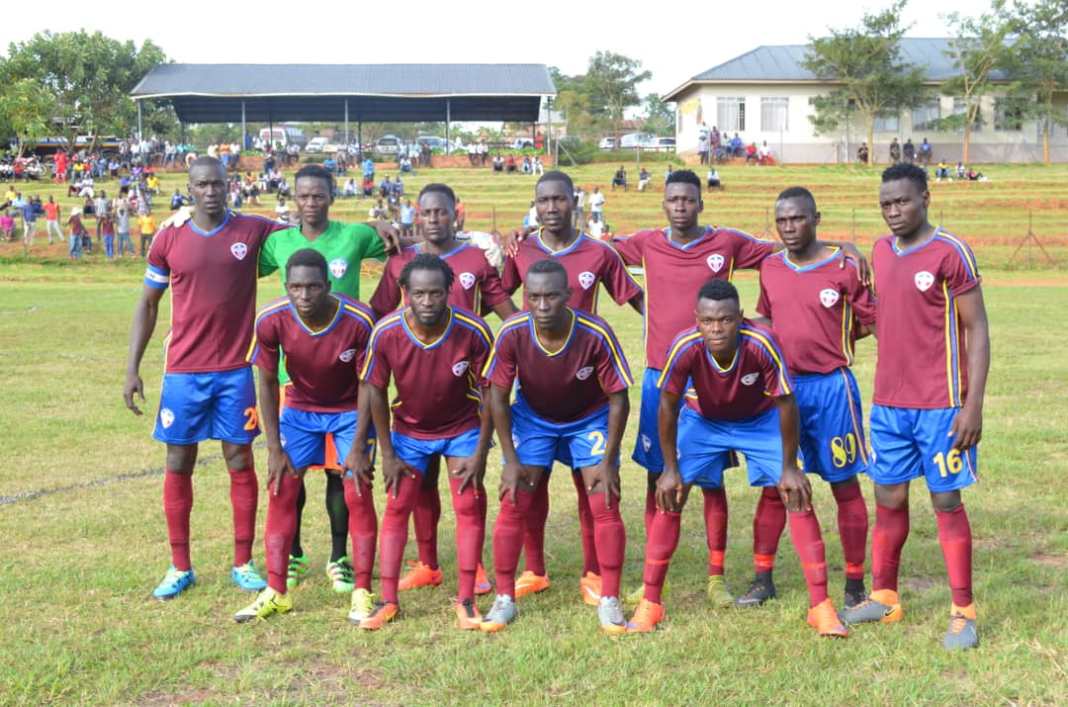
Maroons Football Club is one of the founding institutions of organised club football in Uganda: an institutional side born inside the Uganda Prisons Service, based at Luzira in Nakawa Division, Kampala, and still playing at Luzira Prisons Stadium inside the prison complex. The club’s maroon colours come from the Prisons Service uniform and have long been presented as a symbol of calm and order inside a correctional environment. The team began as Prisons FC and later became Maroons FC. Ownership and patronage have remained with the Uganda Prisons Service throughout.
Origins and the first league champions (1965–1969)
The club was founded in 1965 as Prisons FC, one of the colonial-era institutional sides alongside Police and later Army. When Uganda launched the National First Division League in 1968 — the ancestor of today’s Uganda Premier League — Prisons were among the eight founder members, alongside Army, Coffee, Express, Jinja, Masaka, Mbarara and Mbale.
Under Bill Kirkham, a former British Royal Marine and deputy commissioner of prisons who doubled as coach, recruiter and administrator, Prisons won the inaugural 1968 title and defended it in 1969. Kirkham built the side around athleticism and physical power, spotted talent nationwide, and could offer players jobs and promotions inside the prisons service. That combination made Prisons the envy of civilian clubs. Early names associated with the Kirkham years include Steven Baraza, Sam Munyenye, Salongo Nyanzi, John Sekiziyivu, Ali “Kiggala” Muhammad, Peter Babu, Ben Izaga, Abbey Nasur, Peter Wanyonyi, Charles Ebalu, Evans Abwooli, Natal Mwaka, Sam Natulya, Mike Diku, Erias Wapicho, Vincent Khisa and Dr Timothy Mutesasira. Kirkham’s principal club rival was Joseph “Jolly Joe” Kiwanuka of Express; the 1969 title race between the two sides remains one of the early landmarks of Ugandan club football.
Those back-to-back championships remain Maroons’ only top-flight league titles.
First Ugandan club in Africa: 1970 African Cup of Champions Clubs
As 1969 champions, Prisons/Maroons became the first Ugandan club to actually play in a CAF club competition (Bitumastic had qualified earlier but withdrawn without playing). In the 1970 African Cup of Champions Clubs they:
- beat Lavori Publici 5–4 on aggregate (1–2 away, 4–2 at home);
- drew 4–4 on aggregate with Tele SC Asmara (3–2 home, 1–2 away) and advanced;
- lost the quarter-final 6–2 on aggregate to Egypt’s Ismaily (4–1 and 2–1).
That quarter-final remains the club’s deepest run in continental football.
National-team influence and the 1970s
Maroons supplied a large share of the Uganda Cranes squad that reached the 1978 Africa Cup of Nations final — still Uganda’s best AFCON finish — where Ghana won the final. Several of those players were prisons officers, some of senior rank. Frequently cited names from that generation include Denis Obua (later FUFA president), John Oyet, Baraza, Peter Okee, Parry (Pari) Oketch, Amadeo Sentamu, Ssekatawa, Latigo and Michael Abeja, as well as Eddie Semwanga and others from the late-1960s core.
The political change of 1971 altered the club’s position. Idi Amin’s rise and his preference for the Army side (later Simba) coincided with Maroons’ loss of dominance. Kirkham was expelled from Uganda in 1973. Peter Okee succeeded him as coach but from 1976 also coached the Cranes, splitting his time. Players drifted to better-funded clubs such as Nile. After the 1979 war that ousted Amin, several Cranes-linked Maroons players left the country.
The Byabazaire attempt and first relegation
In 1979, Mr. Barnabas Byabazaire, a football-minded Commissioner General of Prisons, tried to rebuild the club with younger players including Jimmy Ebong, Moses Oketayot, John Buga, John Oyet, Steven Dakota, James Kyeyune, Charles Kavuma, Paddy Mulumba and Okech Magoba. Okee left for coaching studies in Germany in 1982; Parry Oketch became player-coach. Even after Byabazaire became FUFA boss in 1986 he did not use the federation chair to prop up the club, and he left Prisons the same year.
In 1987 Maroons were relegated from the top flight for the first time. Two decades of lower-division football followed.
Return in 2007 and the yo-yo years
The modern revival began in the mid-2000s. In 2007, under coach Asaph Mwebaze and captain Cemari James, Maroons beat Mutundwe Lions in the Kampala Zonal Mini League final at Nakivubo and returned to the Premier League after 23 years away. That promotion squad included Cemari James, Alex Sidda, Samuel Oguttu, Herbert Berwi, Samuel Ekek, Meddy Katumba, Ismail Wambi, Steven “Veron” Bikamatte, Ronald Atugonza, Derrick Nsubuga, Kassim Mpalanyi, Stephen Ekiddu, David Okurut, Asumani Nyanzi, Godfrey Kasule, Bucha Sebuguzi, Junior Kakubba, Geoffrey Atiku, Deo Osabba, Denis Mwa, Simon Peter Ochuka, Elias Mukose, Isaac Kisujja and Saddam Juma.
Stability did not follow. Maroons went down again in 2008, came back as FUFA Big League champions in 2010, were caught in the 2012–13 dual-league split (winning the unofficial Bell Super League while KCCA won the FUFA Super League), were then excluded from the reconstituted top flight, and yo-yoed through the 2010s. They won the Big League three times in that decade — 2010, 2015 and 2017 — and were promoted after the 2015/16 and 2017/18 seasons as well.
The Mwebaze academy years, 2012–2019
Asaph Mwebaze’s second and longest spell (2009–2017, after a first promotion stint in 2006–08) is remembered not only for Big League titles and the 2012/13 Bell Super League win, but for a production line of players who came through Luzira between 2012 and 2019. Several of them later played for Uganda at youth or senior level, or moved on to bigger domestic and foreign clubs.
That generation included Allan Anguyo, Eddy Kapampa, Martin Mpuga, Maxwell Okello, Samson Mutyaba, Sylvester Okello, Muzamiru Mutyaba, Pius Obuya, Ronald Kikonyogo, Ronald Orombi, Seif Batte, Yahaya Luuti, Emmanuel Olinga, Ivan Adebo, Fredrick Okot, Patrick Henry Kaddu, Richard Ayiko and Emmanuel Akol, among others. Pius Obuya debuted for Maroons at 16 against Express on 29 August 2015 and stayed through the promotion years before moving to Serbia and later returning to the Uganda Premier League with NEC. Patrick Henry Kaddu went on to become a Uganda Cranes regular and scored at the 2019 Africa Cup of Nations. Maxwell Okello later returned to the club on the coaching staff. Ronald Orombi remained part of the Maroons midfield into the mid-2020s.
The 2019–20 season ended with another relegation after FUFA halted the league after 25 matches because of COVID-19. In the same truncated campaign Steven Dese Mukwala, on loan from Vipers, won the Uganda Premier League golden boot with 13 goals in 25 matches. He later said he was proud of the individual award but hurt by the club’s relegation.
Senfuma, promotion in 2022, and the present club
Mohammed Senfuma took charge in 2020 while the team was still in the Big League and close to a second-tier slump. Maroons were promoted again in 2021/22 and returned to the Premier League in 2022. A new board under Hillary Bisanga (then Commissioner of Prisons, later Assistant Commissioner General) was appointed by patron Can. Dr Johnson Byabashaija, Commissioner General of Prisons. Roderick Muhumuza became CEO. A reported UGX 200 million sponsorship from Ngetta Tropical Holdings (Virgin Gold) and other partners strengthened the finances.
Senfuma’s side later posted mid-table and even top-half finishes after years of relegation battles. He remained head coach until 2025, when Umar Abdallah Loi took over, with Senfuma staying on the staff. The 2024/25 Uganda Premier League season ended with Maroons 8th on 43 points from 30 matches (12 wins, 7 draws, 11 defeats).
Notable players across generations
Founding and 1970s generation: Peter Okee, Parry Oketch, Eddie Semwanga, Denis Obua, Steven Baraza, Peter Babu, Ali Muhammad, Abbey Nasur, Amadeo Sentamu, John Oyet, and the wider Kirkham intake listed above.
2007 revival: Cemari James and the promotion squad named earlier.
Mwebaze era, 2012–2019: Allan Anguyo, Eddy Kapampa, Martin Mpuga, Maxwell Okello, Samson Mutyaba, Sylvester Okello, Muzamiru Mutyaba, Pius Obuya, Ronald Kikonyogo, Ronald Orombi, Seif Batte, Yahaya Luuti, Emmanuel Olinga, Ivan Adebo, Fredrick Okot, Patrick Henry Kaddu, Richard Ayiko and Emmanuel Akol. Several of these players represented Uganda at national-team level or in international club football after leaving Luzira.
Later standouts:
- Steven Mukwala — 2019–20 UPL top scorer with 13 goals while on loan at Maroons.
- Pius Obuya — Maroons from 2015 to 2021; later Serbia and NEC.
- Ronald Orombi — midfielder who came through under Mwebaze and remained in the squad (shirt no. 8).
- David Obua — son of Denis Obua; served as Maroons assistant coach from 2018 before leaving to manage URA.
Other recent and current names include Emmanuel Obua, Amir Nalugoda, Innocent Kitimbo, Marvin Oshaba, Jackson Nunda, Mujahid Ogama and Dickson Niwamanya.
Head coaches since 1965
1965–1971 - Bill Kirkham1971–1982 - Peter Okee
1982–1994 - Parry Oketch
2006–2008 - Asaph Mwebaze
2008–2009 - Mike Mutebi
2009–2018 - Asaph Mwebaze
2018 - George Best Nsimbe
2018 - David Obua
2018–2019 - Douglas Bamweyana
2019–2020 - Charles Ayeikoh Lukula
2020–2025 - Mohammed Senfuma
2025 - Umar Abdallah Loi
Current technical staff around Loi has included Maxwell Okello, Mohammed Senfuma, Simonpeter Ojok, Kenrogers Tezigwa and Bridget Nabisaalu.
Honours
- Ugandan top flight (National First Division / Super League / Premier League): 1968, 1969
- FUFA Big League: 2010, 2015, 2017
- CAF: 1970 African Cup of Champions Clubs — quarter-finals
Identity and meaning
Maroons are not Uganda’s most decorated club — Villa, KCCA, Express and Vipers long since overtook them — but they are one of the few sides present at the birth of the national league, the first Ugandan club to play in Africa, and a major supplier of the 1978 Cranes. The later story is one of institutional loyalty, player development and repeated promotion rather than sustained dominance: relegated in 1987, 2008, around the 2012–13 league crisis, after 2015/16, and in 2019–20; champions of the second tier three times in the 2010s; back in the Premier League since 2022 and an 8th-place side in 2024/25.
Mwebaze’s 2012–2019 group sits in that lineage: a prisons club that could no longer dominate the league still produced players who went on to the Cranes, AFCON, and careers abroad. That cycle — pioneer, decline, exile, return, and a continuing role as a finishing school — is why Maroons are still counted among Uganda’s traditional clubs. They remain owned by the Uganda Prisons Service, play at Luzira, and treat discipline and institutional continuity as part of the club’s identity as much as any trophy.